
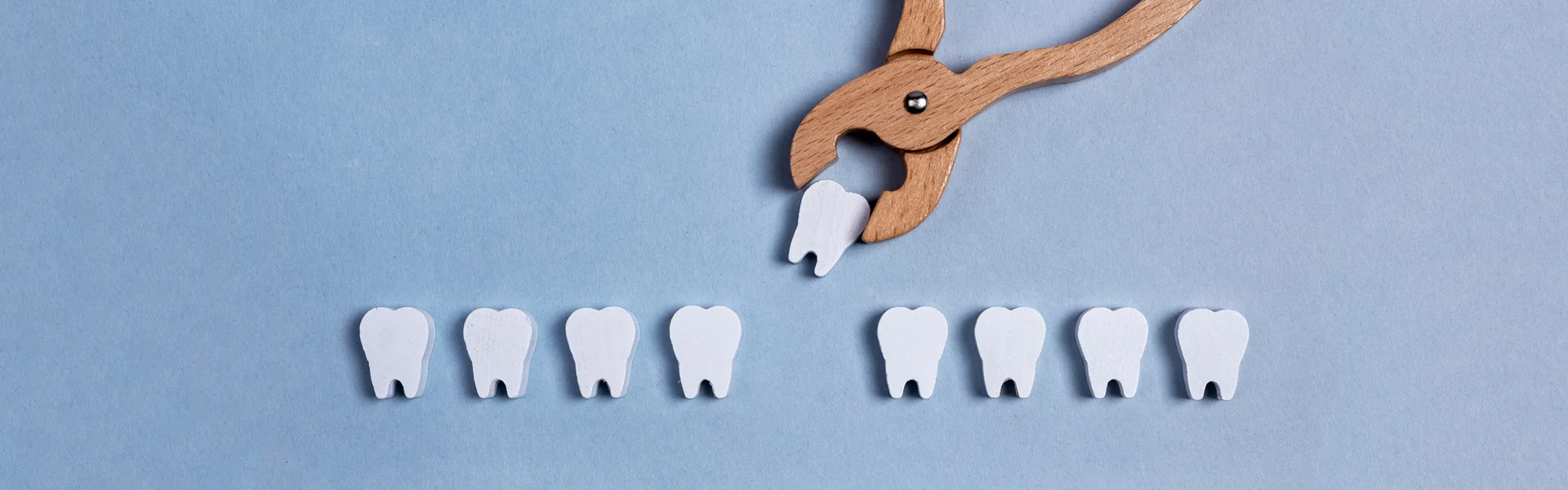
The Role of Tooth Extraction in Overall Oral Health
Good oral health means more than clean, cavity-free teeth. It’s about keeping your mouth balanced, pain-free, and healthy. Sometimes, removing a tooth is the best way to protect your long-term dental well-being. When you visit a trusted dentist in Waco, they assess not only the visible concerns but also the underlying issues affecting your gums, jawbone, and overall health. Though often seen as a last resort, tooth extraction can be essential for preserving a healthy smile.
Understanding Tooth Extraction
Tooth extraction is a precise dental procedure where a tooth is gently removed from its natural socket. While modern dentistry prioritizes saving natural teeth, extraction becomes necessary when severe damage or infection threatens surrounding structures.
A tooth extraction dentist performs the procedure using advanced techniques and local anesthesia to ensure comfort. Once the tooth is removed, the tissues are allowed to heal naturally, reducing the risk of further complications.
Common Reasons for Tooth Extraction
A dentist may recommend extraction for several reasons:
- Severe decay or infection: When decay or injury makes a tooth beyond repair.
- Advanced gum disease: When bone and tissue can no longer support it.
- Impacted wisdom teeth: Especially those that cannot erupt properly.
- Crowding: To create space for orthodontic alignment.
- Fractured teeth: When breaks extend below the gum line.
Each case is evaluated individually, but the purpose remains the same: to preserve oral function and prevent further damage.
How Extraction Prevents Future Dental Problems
A decayed or damaged tooth can harbor bacteria that spread to neighboring teeth or the jawbone. Extraction removes this source of infection, protecting your oral tissues from further decay.
For example, an infected molar may cause pain and compromise surrounding roots. Timely removal prevents this, helping preserve bone density and bite stability.
The Connection Between Extraction and Gum Health
Healthy gums are the base that supports every tooth in your mouth. When an infected tooth remains untreated, bacteria can reach the gums, leading to swelling and early signs of gum disease. Removing the infected tooth reduces inflammation and allows the gums to heal naturally.
After the site heals, your dentist may suggest options like implants or bridges to restore balance and function. Extraction often marks the first step toward rebuilding a strong, healthy mouth.
Preventing Infection and Decay Through Timely Removal
Acting promptly makes a difference. Delaying extraction allows bacteria to multiply, increasing the risk of abscesses or bone infection. Early removal stops infection before it spreads and protects your overall health.
While some patients fear the idea of extraction, addressing the problem early means faster recovery and fewer complications later. It’s a proactive step toward maintaining oral wellness.
Impact of Problem Teeth on Overall Health
Dental health affects more than your mouth. Chronic infection can strain the immune system and contribute to heart disease or diabetes. Problem teeth can also cause chewing difficulties, leading to digestive issues and nutritional gaps.
Removing unhealthy teeth relieves pain, restores chewing comfort, and supports the body’s overall balance. It’s a preventive measure for both oral and systemic health.
The Role of Extraction in Orthodontic Treatment
Orthodontic care aims to create a balanced, functional bite. For patients searching for a dentist near me, extractions may be recommended when overcrowding prevents teeth from aligning properly with braces or aligners.
These removals are carefully planned so they don’t affect appearance or function, ensuring smooth tooth movement and a long-lasting, natural result.
Wisdom Tooth Removal and Its Benefits
Wisdom teeth often appear last, sometimes in late adolescence or early adulthood. In many cases, there isn’t enough space in the jaw for them to emerge correctly. They may grow sideways, push other teeth, or become trapped beneath the gums.
Extraction prevents pain, infection, and misalignment caused by impacted wisdom teeth. Removing them at the right time protects surrounding molars and keeps your bite comfortable.
Recovery and Healing After Extraction
Healing is usually straightforward with proper aftercare. After the tooth is removed, a protective blood clot forms in the socket. To aid recovery:
- Avoid spitting or rinsing forcefully for 24 hours.
- Don’t use straws or smoke.
- Eat soft foods and stay hydrated.
- Brush gently near the site.
Mild soreness is normal, and most patients recover within a few days. Your dentist may schedule a check-up to monitor healing.
Maintaining Oral Health After Extraction
Once healing is complete, continue brushing and flossing daily. Replace missing teeth with implants or bridges to keep your bite aligned. Regular cleanings and checkups protect gum health and prevent future dental problems.
Being consistent with oral care ensures that one extraction doesn’t lead to more issues later.
Final Thoughts
Tooth extraction is not something to fear; it’s a preventive step that protects your smile and overall health. When performed at the right time, it stops infection, promotes gum healing, and restores comfort.
For compassionate, expert care, visit Hillcrest Dental Care, where your comfort and long-term dental wellness come first. With professional guidance and gentle treatment, keeping your smile healthy is always within reach.